

Sprains and Strains
What are Sprains and Strains?
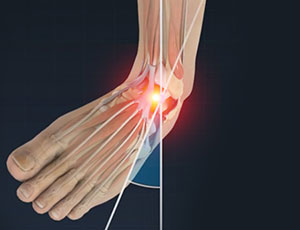
Sprains and strains are injuries affecting the muscles and ligaments. A sprain is an injury or tear of one or more ligaments that commonly occurs at the wrist, knee, ankle or thumb. A strain is an injury or tears to the muscle. Strains occur commonly in the back and legs.
Causes of Sprains and Strains
Sprains and strains occur due to overstretching of the joints during sports activities and accidents such as falls or collisions. It may be due to fatigue or not warming up before an activity.
Symptoms of Sprains and Strains
Symptoms of sprains include:
- Pain
- Swelling
- Tenderness
- Bruising
- Joint stiffness
Symptoms of strains include:
- Muscle spasm and weakness
- Pain in the affected area
- swelling
- Redness
- bruising
Immediate Care for Sprains and Strains
Immediately after an injury—and before being evaluated by a doctor—you should begin the P.R.I.C.E. method of care to help limit swelling and protect the injured area.
- Protection: Protect the injured area using appropriate support, such as a brace, wrap, or splint, to prevent further injury.
- Rest: Rest the affected muscle or joint and avoid activities that cause pain. Continuing to put stress on the injury can worsen tissue damage.
- Ice: Apply ice to the injured area for 15–20 minutes every two to three hours during the day. Always place a towel between the ice pack and your skin to prevent frostbite.
- Compression: Use an elastic bandage or compression wrap to help reduce swelling and provide gentle support. The wrap should be snug but not tight enough to restrict circulation.
- Elevation: Elevate the injured limb above the level of your heart whenever possible to help reduce swelling and discomfort.
Diagnosis of Sprains and Strains
Diagnosis begins with a thorough physical examination. Your doctor will assess swelling, tenderness, strength, stability, and range of motion of the injured joint or muscle. Imaging studies such as X-rays, ultrasound, or MRI may be ordered to rule out fractures or to evaluate the extent of ligament or tendon injury.
Treatment of Sprains and Strains
Treatment depends on the severity of the injury. Pain and inflammation are often managed with nonsteroidal anti-inflammatory medications (NSAIDs). Bracing or immobilization may be recommended to protect the injury during healing. Physical therapy is commonly prescribed for moderate to severe sprains and strains to restore strength, flexibility, and function.
Surgery is rarely required but may be considered for severe injuries involving complete tears of ligaments or tendons.
Recovery Expectations
Most mild to moderate sprains and strains show significant improvement within two weeks. More severe injuries may take several months to fully heal. Strenuous activities should be avoided until healing is complete, as returning too soon can increase the risk of re-injury or chronic instability.