

Request an Appointment or Give us a call at .
Tendon Injuries
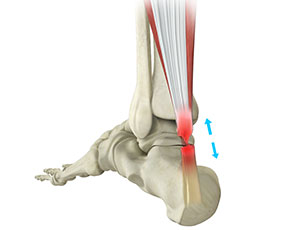
What are Tendon Injuries?
- Tendons are strong, fibrous structures that connect muscles to bones and allow the body to move. When a tendon is stretched beyond its normal limits, it can tear partially or completely—a condition known as a tendon rupture.
- People often describe feeling or hearing a sudden “pop” or snapping sensation at the time of injury, followed by sharp pain, swelling, and weakness. These injuries can significantly affect movement and muscle function. Depending on the tendon involved, the severity of the tear, and the patient’s activity level, surgery is often recommended to restore strength, function, and mobility.
What are the Causes of Tendon Injuries?
- Tendon injuries basically occur due to gradual wear and tear of the tendon from aging or overuse. People who perform repetitive actions as part of their jobs, sports, or activities of daily living are more prone to damaging a tendon. A tendon injury can occur gradually or suddenly if the tendon has weakened over time.
What are the Symptoms of Tendon Injuries?
- Some of the symptoms associated with tendon injuries are:
- Tenderness or pain near or at a joint, particularly around a wrist, elbow, shoulder, or ankle
- Thickening or swelling of the tendon near the joint
- Stiffness which restricts the joint movement
- Crepitus or a crunchy sound feeling on using the tendon
How are Tendon Injuries Diagnosed?
- To diagnose a tendon injury, your doctor will review your symptoms and medical history, perform a physical examination, and order certain diagnostic tests.
- Physical examination will typically include evaluation of passive and active range of motion along with resisted movements.
- Diagnostic tests such as x-ray, ultrasound, or MRI may be suggested by your doctor if symptoms are severe and do not improve with treatment and to help determine tendon tears, thickening, swelling, as well as ligament, cartilage and muscle injury.
What are the Treatments Options Associated with Tendon Injuries?
Some of the common treatment options for tendon injuries include:
- Rest and elevation of the affected tendon
- Application of heat and ice
- Use of a compression bandage on the affected area to reduce swelling
- Use of medications such as pain relievers and anti-inflammatory drugs
- Range of motion exercises to improve mobility and strengthen muscles
- Assistive devices such as braces, splints, or cane
- Corticosteroid injections
- Physiotherapy
- Surgery
- Abstaining from tobacco as smoking delays tissue and wound healing
How can Tendon Injuries be Prevented?
Some of the steps you can follow to lower your chances of developing a tendon injury include:
- Stretches and warm-ups before exercises
- Keeping physically fit through regular exercise and building muscle tone
- Avoiding overuse and repetitive motions
- Sitting in a proper posture while working at a desk
- Moving around periodically without remaining in the same position for long
- Using proper equipment during sports activities and at work
Questions about your foot or ankle? Call the office or request an appointment online.