

Heel Pain
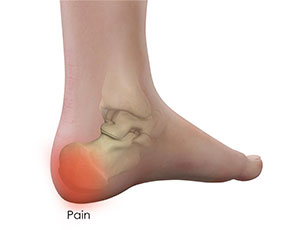
Where the pain is tells you what it is
Heel pain is a symptom, not a diagnosis, and the location usually identifies the cause.
Under the heel, worst with the first steps in the morning. This is plantar fasciitis, by far the most common cause. The pain eases after a few minutes of walking and returns after sitting.
At the back of the heel, where the Achilles attaches. Insertional Achilles tendonitis, often with a bony prominence that rubs against the tendon and against shoe counters.
Just above the attachment, in the tendon itself. Mid-substance Achilles tendonitis, typically a training-load problem in runners.
Diffuse, worse with every step and rapidly worsening. A calcaneal stress fracture, which needs to be excluded in anyone who has recently increased their activity or who has reduced bone density.
Burning, tingling, or pain that persists at rest. Nerve irritation rather than a tendon or fascia problem, which is treated quite differently.
What causes it
Most heel pain comes from load: a sudden increase in activity, long hours standing on hard floors, unsupportive shoes, a change in training surface, or weight gain. A tight calf is the single most common contributing factor and the one most amenable to treatment — when the calf will not let the ankle bend, the tissues at the heel take the strain instead.
Treatment
The great majority of heel pain resolves without surgery, though it often takes longer than people expect — several months is normal rather than a sign that treatment is failing.
Calf and plantar fascia stretching, done consistently, is the foundation. Supportive shoes and cushioned or custom inserts reduce load, activity is modified rather than stopped, and anti-inflammatories help symptoms. Night splints help patients whose worst pain is the first step of the day. Physical therapy adds strengthening and addresses the mechanics that caused the problem.
When to be seen
Heel pain that has not improved after a few months of consistent treatment, pain that wakes you at night, pain following a specific injury, or numbness and tingling all warrant assessment. Imaging is used to confirm the diagnosis and to exclude a stress fracture or nerve problem before treatment escalates.