

Shin Splints
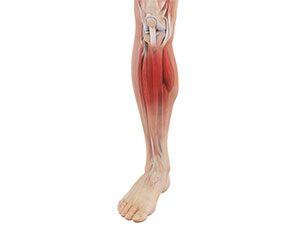
What shin splints are
Shin splints — medial tibial stress syndrome — is pain along the inner border of the shin bone brought on by running or jumping. It is an overload injury of the bone surface and the muscle attachments along it, and it is one of the most common problems in athletes who have recently increased their training.
The pain typically appears early in a run, may ease as you warm up, and returns afterwards. It is spread along several inches of the shin rather than concentrated at one point, and the area is tender to press along its length.
Why it happens
Almost always a change in load the bone has not had time to adapt to: more mileage, more intensity, a new surface, worn-out shoes, or a return to training after time off. Contributing factors include a flat or highly flexible foot, a tight calf, weak hip and core muscles, and low bone density or inadequate nutrition in athletes.
Ruling out a stress fracture
This distinction matters. Shin splints cause diffuse tenderness along the bone; a stress fracture causes sharp, pinpoint tenderness at one spot, pain that persists at rest, and pain that worsens rather than eases as you run.
X-rays are often normal early in a stress fracture, so MRI is the test used when the picture is suspicious. Continuing to train through an unrecognized tibial stress fracture risks it progressing to a complete fracture.
Treatment
Relative rest is the foundation — reducing the aggravating activity rather than stopping all exercise. Cross-training in the pool or on a bike maintains fitness while the bone recovers. Ice after activity, anti-inflammatories for symptoms, and a return to running that is graded rather than immediate.
The part that prevents recurrence is addressing the cause: calf and foot flexibility, hip and core strength, running mechanics, appropriate footwear, arch support where the foot is contributing, and a training progression that increases gradually rather than in jumps.
When to be seen
Pain that persists despite several weeks of reduced activity, pain at a single point rather than along the bone, pain present at rest or at night, or pain that is worsening all warrant assessment and imaging.